Q:Is a Bernese Mountain Dog a good fit for the weather in Manhattan, NY?
A:Cold winters define the Manhattan, NY city year, with January highs around 37 degrees and 32.5 inches of snow on the typical year. Bernese Mountain Dogs get out in it. The thick double coat handles the cold easily thanks to the breed's Swiss Alpine origins. Paw wipes at the door handle sidewalk salt that comes home from city walks. Summer through early fall calls for cool-hour walks given the breed's heat sensitivity. City families often head to Tompkins Square Dog Run – First Run at E 10th St & Ave A, Manhattan for off-leash time and exercise.
Q:What does a Bernese Mountain Dog coat look like and how much grooming does it need?
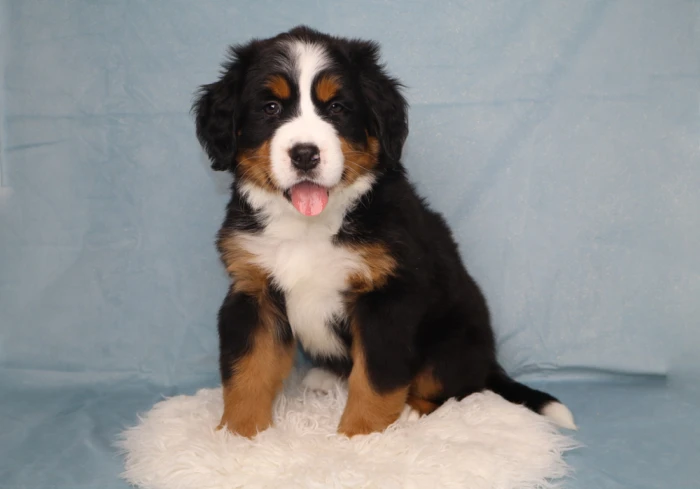
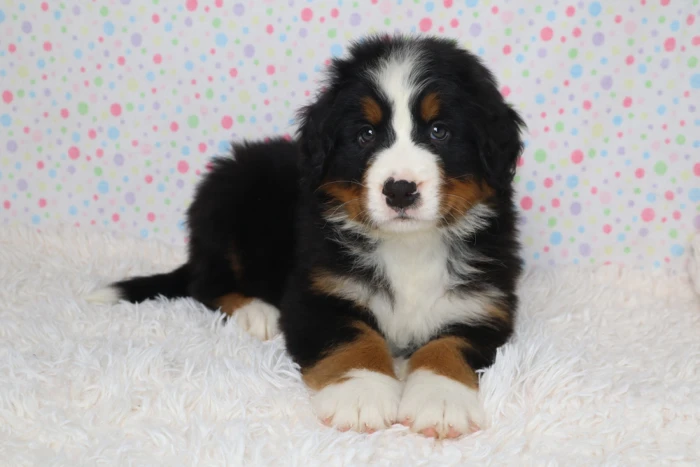
A:A Bernese Mountain Dog has a thick, long double coat in the classic tri-color pattern of black with rust and white markings. The outer coat is straight to slightly wavy, with a softer, denser undercoat that provides the cold-weather protection the breed is known for. Heavy shedding hits twice a year through spring and fall, with regular brushing through the week needed during those stretches to keep loose hair under control. Two or three weekly brushings handle the rest of the year. A professional groomer tidy every eight to ten weeks keeps the long coat in shape, especially around the ears, feet, and underbelly where matting can set in. Regular nail trims, ear cleaning, and dental care fill out the rest of the grooming routine. Most Bernese owners settle into the seasonal coat rhythm quickly after the first shedding cycle at home.
Q:How well does a Bernese Mountain Dog fit into Manhattan community life?
A:Big-city Manhattan, NY life suits a Bernese Mountain Dog well. The breed bonds closely with the household and stays calm through the daily routine, which fits city pace once the family settles into walking schedules. Cold winters keep families home together, where the breed's calm, gentle presence settles into household rhythms. Summer outings to The High Line, Gansevoort St to 34th St, Manhattan round out the weekly routine with longer walks the breed enjoys during cooler windows. Early socialization with kids, visitors, and other dogs produces the confident adult the Bernese becomes known for.
Q:What health testing does Blue Diamond Family Pups do on Bernese Mountain Dog parent dogs?
A:Every Bernese Mountain Dog parent dog at Blue Diamond Family Pups goes through full health and genetic testing before any pairing happens. Testing covers the genetic conditions known in the breed, with hip and elbow evaluations being especially important given the breed's size and structure. Our males carry OFA hip certification. We look at structure, temperament, and overall build during the selection process since these traits pass through generations. Each Bernese Mountain Dog puppy heads home with a one-year health guarantee covering genetic and congenital conditions. Our vet examines every litter before any puppy leaves the farm. Puppies head home fully vaccinated, dewormed on schedule, and microchipped.
Q:What are the delivery options for Bernese Mountain Dog puppies to Manhattan, NY?
A:We offer three Bernese puppy delivery options for Manhattan city families. Ground transport costs $300 to $500 from the Sugarcreek farm through door-to-door climate-controlled service to your city address. Flight nanny delivery costs $800 to $900 with a professional flight nanny escorting the Bernese puppy in-cabin to the closest airport. Sugarcreek farm pickup runs by scheduled appointment Monday through Saturday from 9 AM to 8 PM.
Q:What is Early Neurological Stimulation and why does Blue Diamond Family Pups use it?
A:Early Neurological Stimulation is a set of gentle handling exercises we do with each puppy from day three through day sixteen. This is the developmental window when the nervous system is still forming. The protocol came out of the US Military's working dog programs in the 1970s, and research has built on the original findings in the decades since. ENS puppies tend to handle stress more calmly and show stronger cardiovascular response than puppies who skipped it. Some of the early research also pointed to better immune function. Every Bernese Mountain Dog puppy raised at Blue Diamond Family Pups goes through the ENS protocol. ENS puppies tend to react less to new sights and sounds in general, which keeps the first weeks at home calmer for everyone. With a calm, family-bonded breed like the Bernese, that gentle start helps the bond with the new family come together fast. Ongoing socialization through the puppy weeks still matters, with ENS giving that work a stronger foundation to build on. The protocol is part of why Blue Diamond puppies tend to settle into new homes quickly.
Q:Are Bernese Mountain Dogs hypoallergenic?
A:Bernese Mountain Dogs shed heavily through both spring and fall shedding seasons, with moderate shedding through the rest of the year. The breed is not hypoallergenic. The thick double coat and softer undercoat release coat in seasonal cycles given the breed's cold-weather origins. Daily brushing during the heavy sheds keeps loose hair off furniture and floors. Big-city Manhattan families with allergies or strict cleanliness preferences tend to look at other breeds. For households comfortable with steady grooming, the seasonal shed becomes manageable after the first cycle.
Q:Does a Bernese Mountain Dog have any breed-specific weather care needs?
A:A Bernese Mountain Dog is built for cold weather and struggles in summer heat at 75 to 100 pounds with that thick double coat. Cold winter mornings come easy for the breed given the Swiss Alpine origins, so a doggy coat is rarely needed at adult size. Paw wipes by the door clear any snow or sidewalk salt that comes home from walks. Summer is where the real care comes in. Walks shift to dawn and dusk hours through the hottest weeks, with AC time inside covering the peak afternoon heat. Pavement gets a quick palm check before stepping out, since hot asphalt burns paw pads fast on a heat-sensitive breed. Water along on longer outings handles hydration. Spring rain and the long coat work well together with a towel at the door after wet walks. Fall is usually the most comfortable outdoor season for the breed. The heavy seasonal shed through spring and fall calls for regular brushing through the week during those stretches.
Q:Can I visit Blue Diamond Family Pups before committing to a Bernese Mountain Dog puppy?
A:Visits to our Sugarcreek farm run by appointment only. Send us a message and we'll find a time that works. Our 10-acre working family farm is in Holmes County, Eastern Ohio. During a visit you'll see our kennel, walk the outdoor play areas, and meet the adult dogs and current litters. You'll also meet our family of seven, including Dean, Esther, and our five children, who all help handle every puppy from birth through go-home day. Manhattan families who want a visit before picking a puppy can reach out to schedule one. If the drive isn't workable for your family, we can do video calls and send extra photos and videos of any puppy you are considering.
Q:What makes Blue Diamond Family Pups different from other Bernese Mountain Dog breeders?
A:A few things define how we work at Blue Diamond Family Pups. We have raised Bernese Mountain Dogs for years on our 10-acre family farm in Sugarcreek, Eastern Ohio. Every parent dog is health and genetic tested before any pairing, with OFA hip certification on our males given the size and structure of the breed. Each puppy goes through Early Neurological Stimulation from day three to day sixteen, and our family of seven handles every puppy from birth onward. Kimberly, our professional puppy trainer, runs temperament testing and writes the individual description that helps match each puppy to the right family. Each puppy leaves with a one-year health guarantee, fully vaccinated, dewormed, and microchipped. Delivery is available across the country.