
Puppies For Sale In Wisconsin
Finding puppies for sale in Wisconsin starts with understanding what kind of dog actually fits Wisconsin life. Families in Milwaukee, Madison, Green Bay, and Appleton are raising dogs through winters that arrive hard in November and don't let go until April, and that seasonal range matters more than most buyers account for when they're choosing a breed. Placing the wrong breed in the wrong home for this climate is a real problem for the family and the dog. We deliver to families all across Wisconsin. Our goal before any puppy leaves our farm is making sure the match is right, not just the transaction.
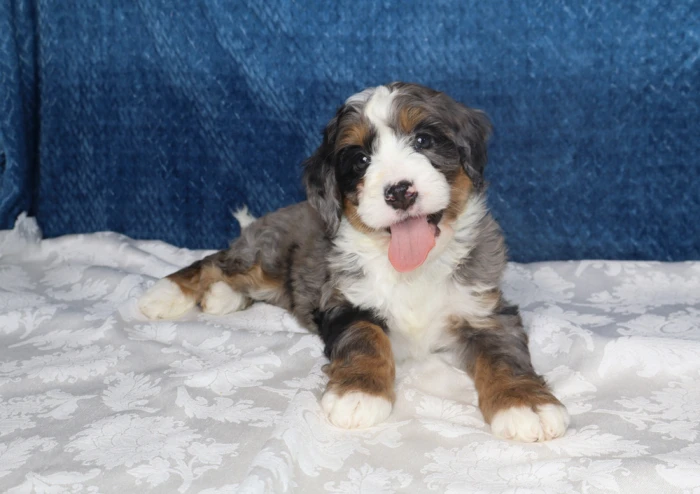
Available Puppies For Wisconsin
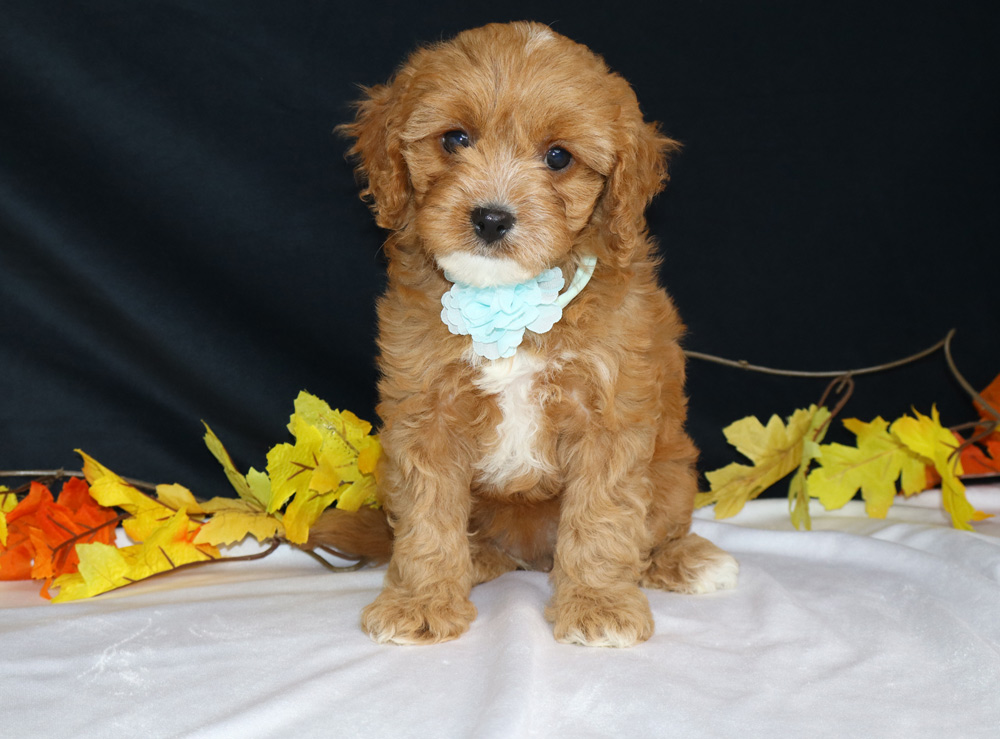
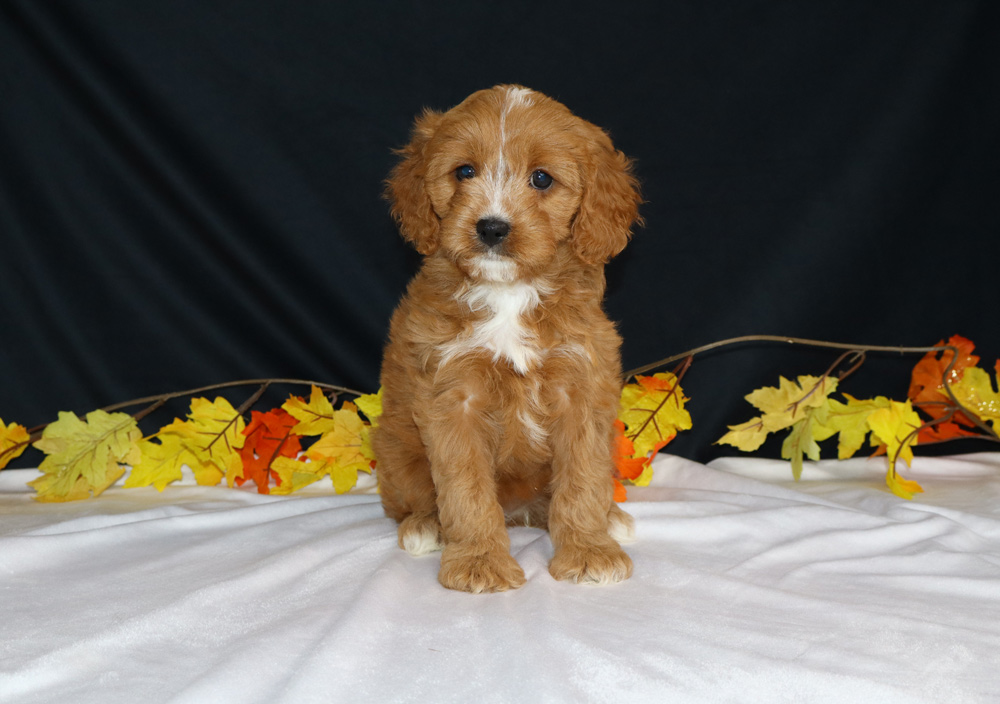
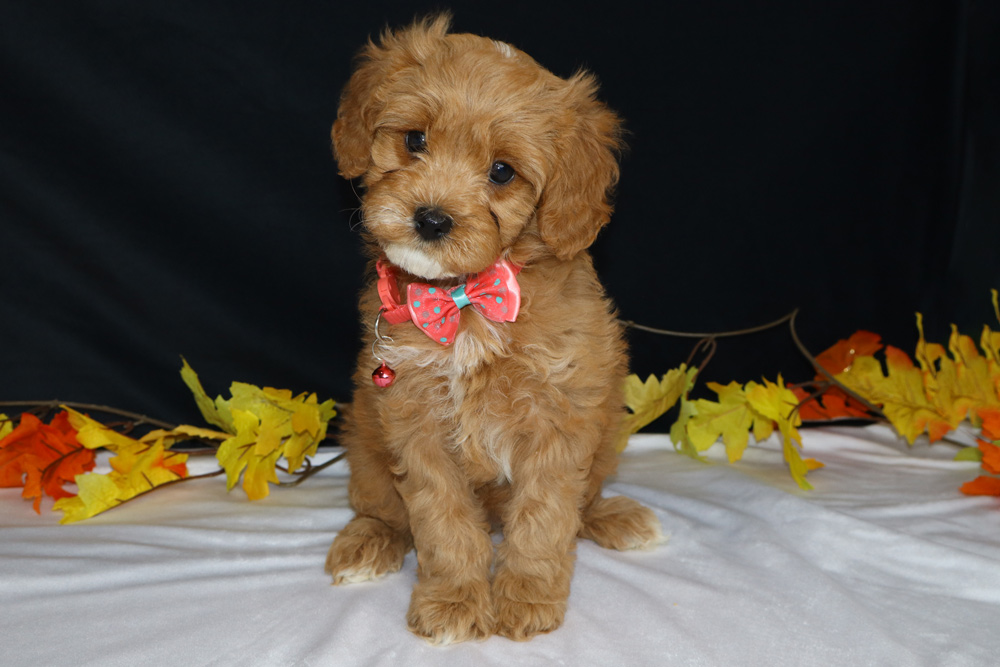
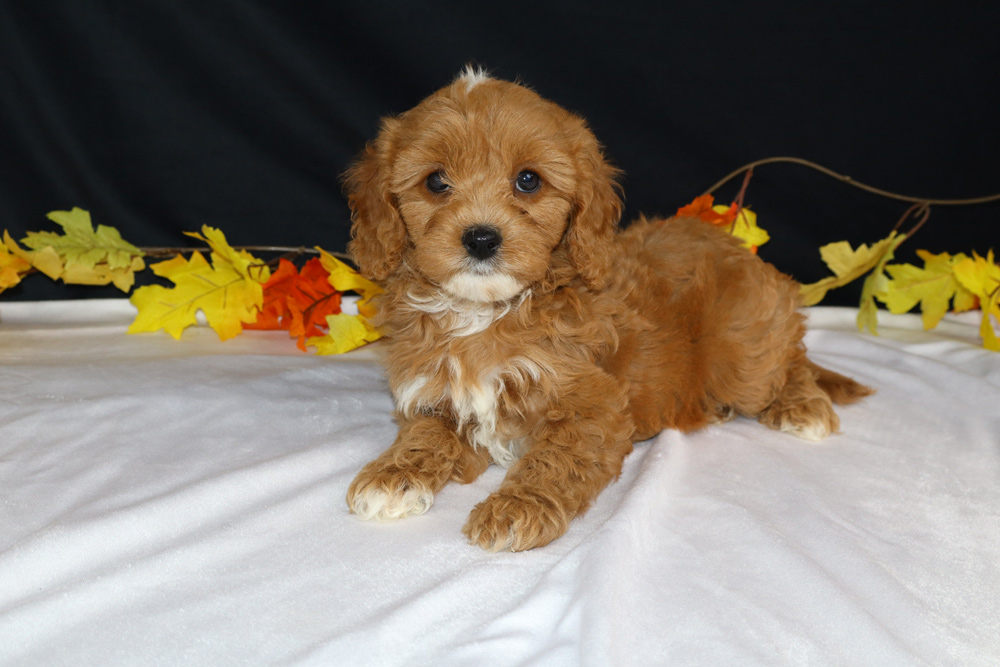
All puppies displayed here can be delivered right to your door in Wisconsin. See the rest of our puppies by selecting a breed below.
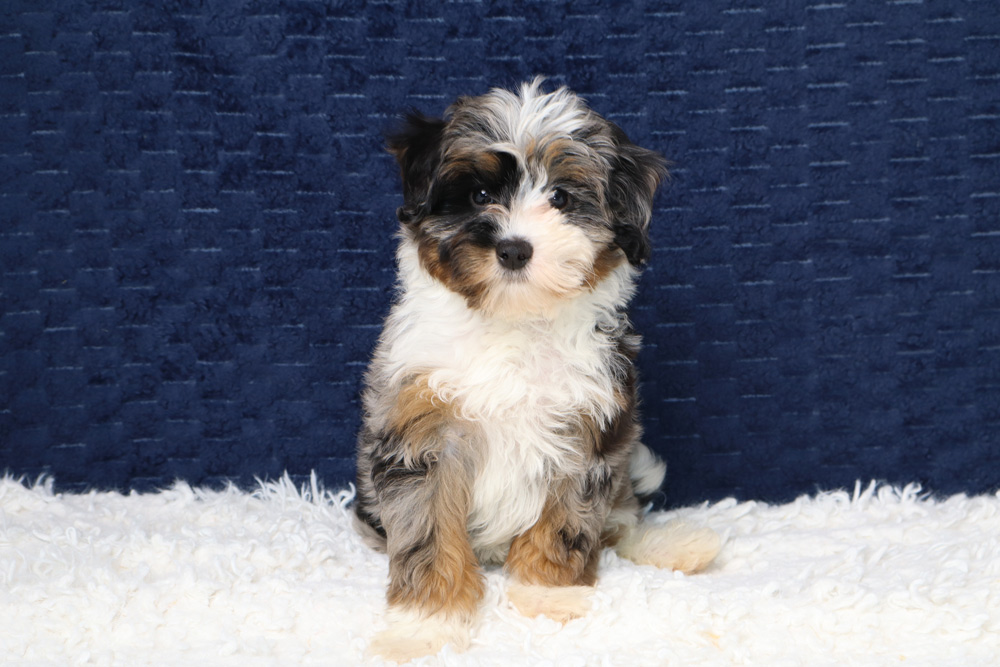
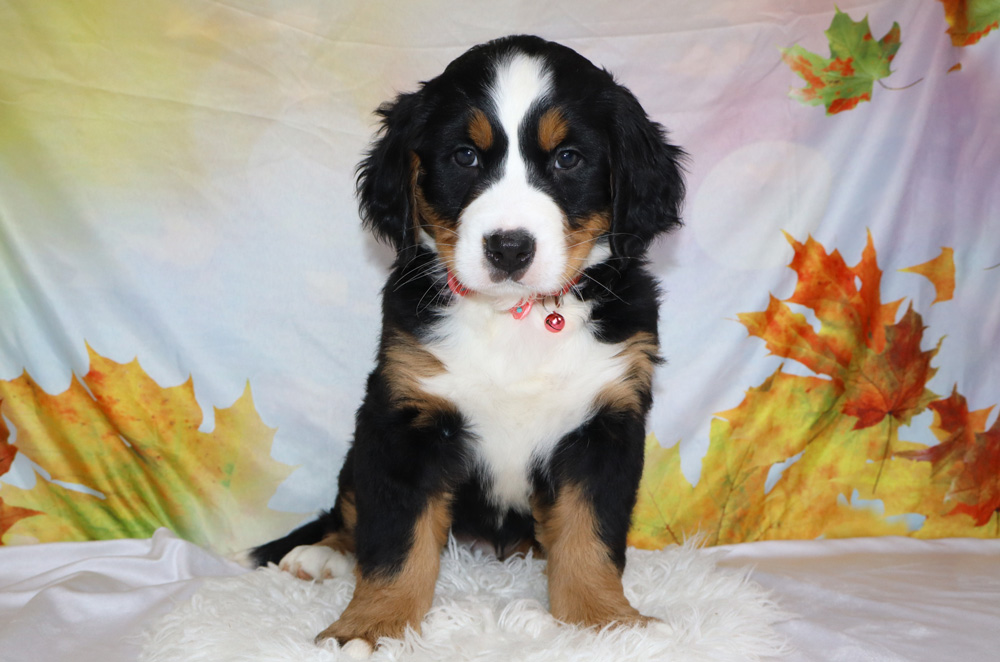
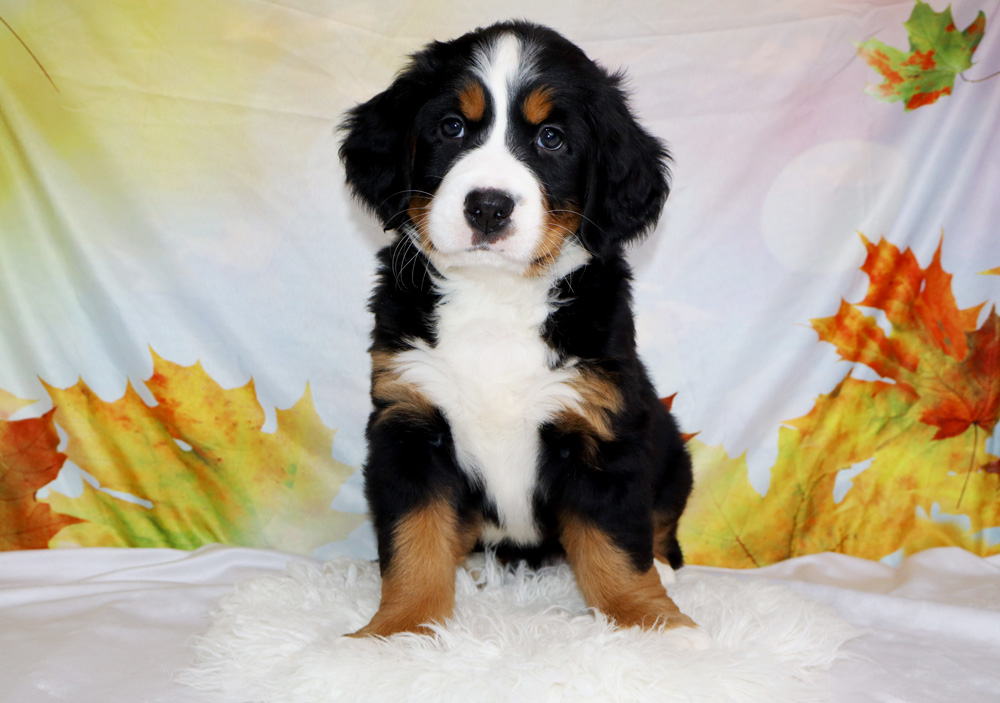
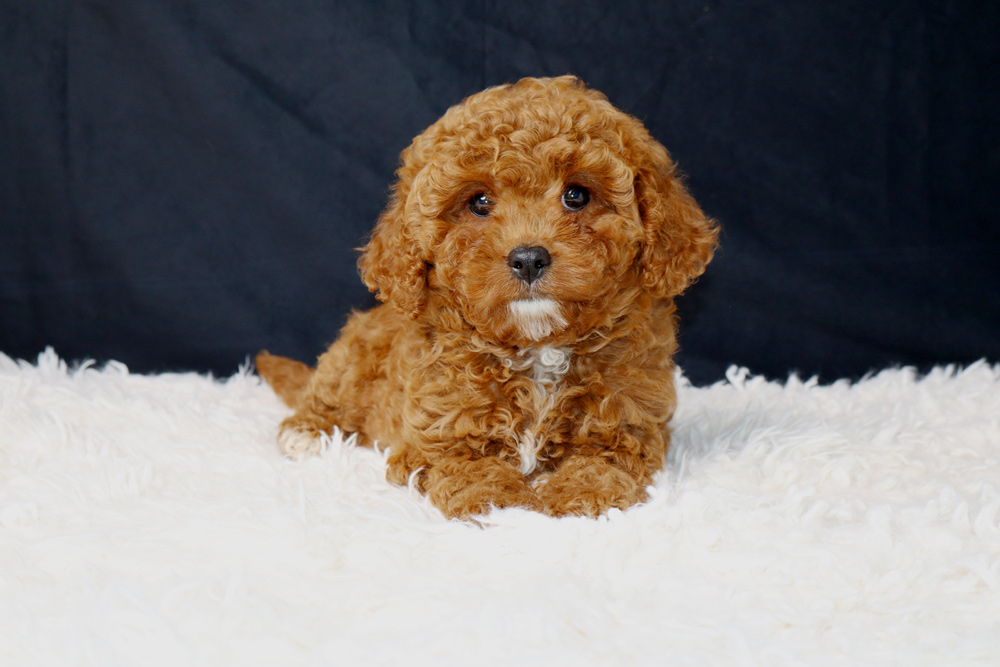
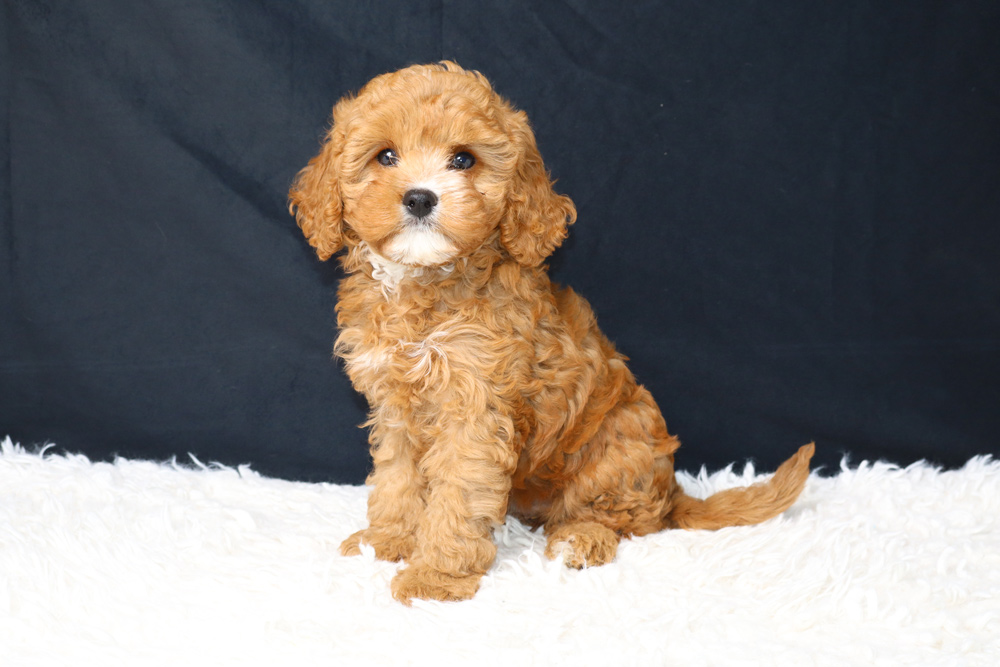
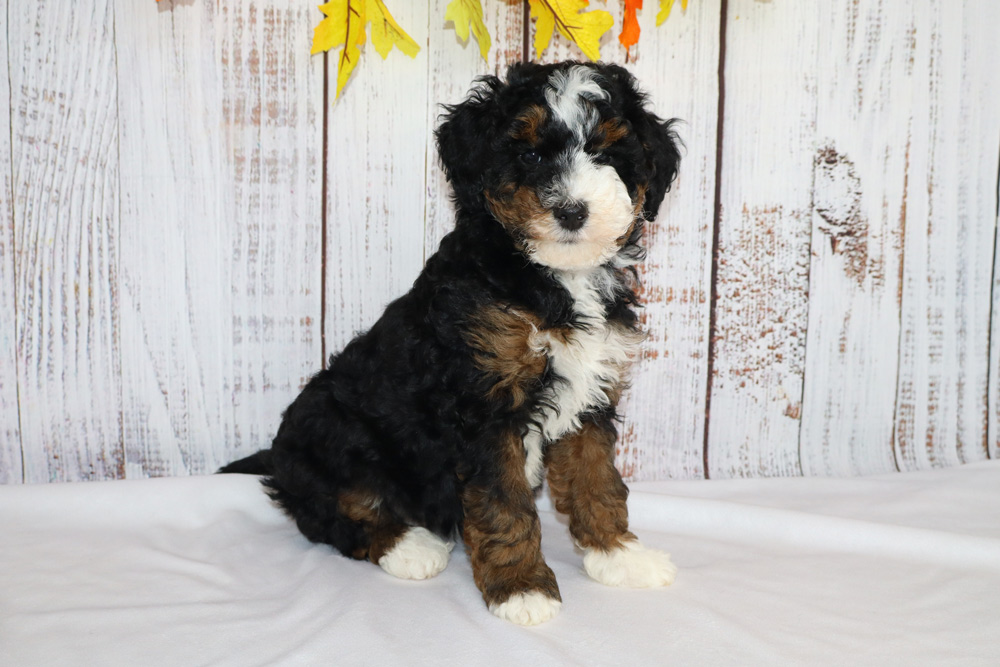
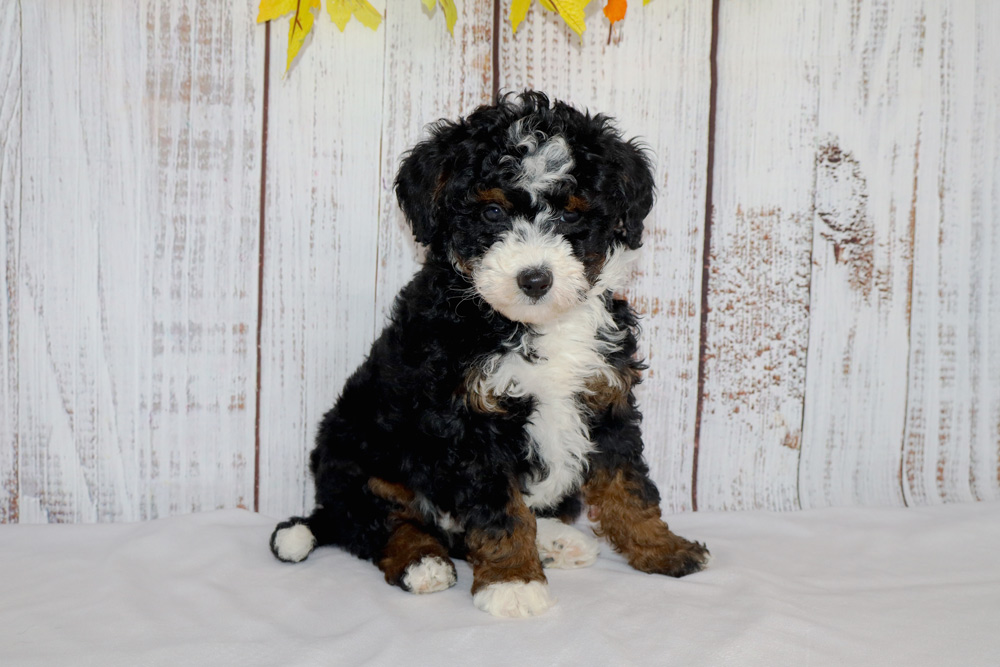
our breeds
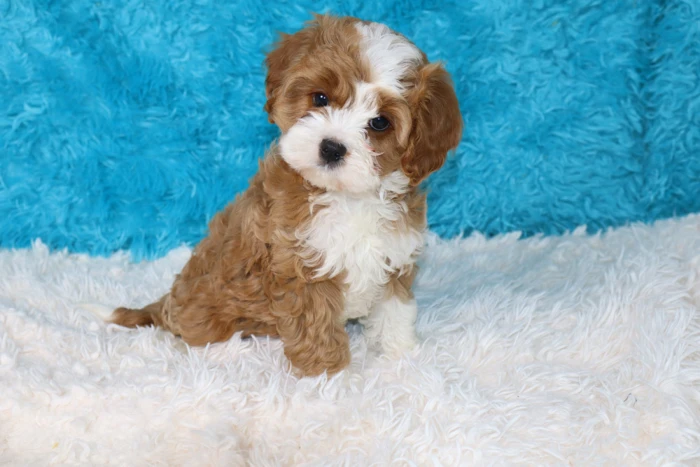
Cavapoos
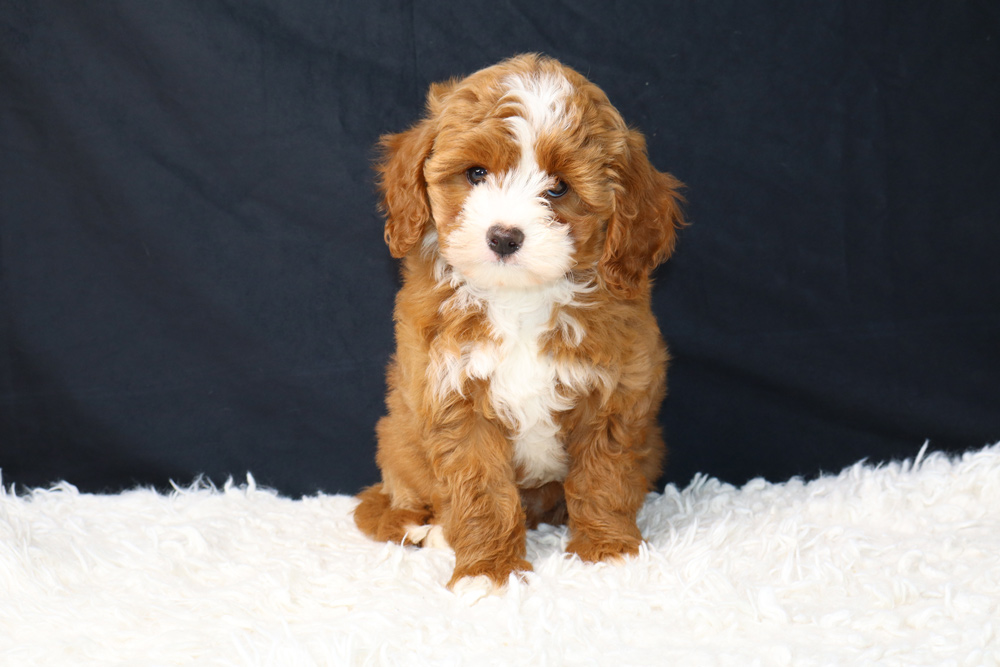
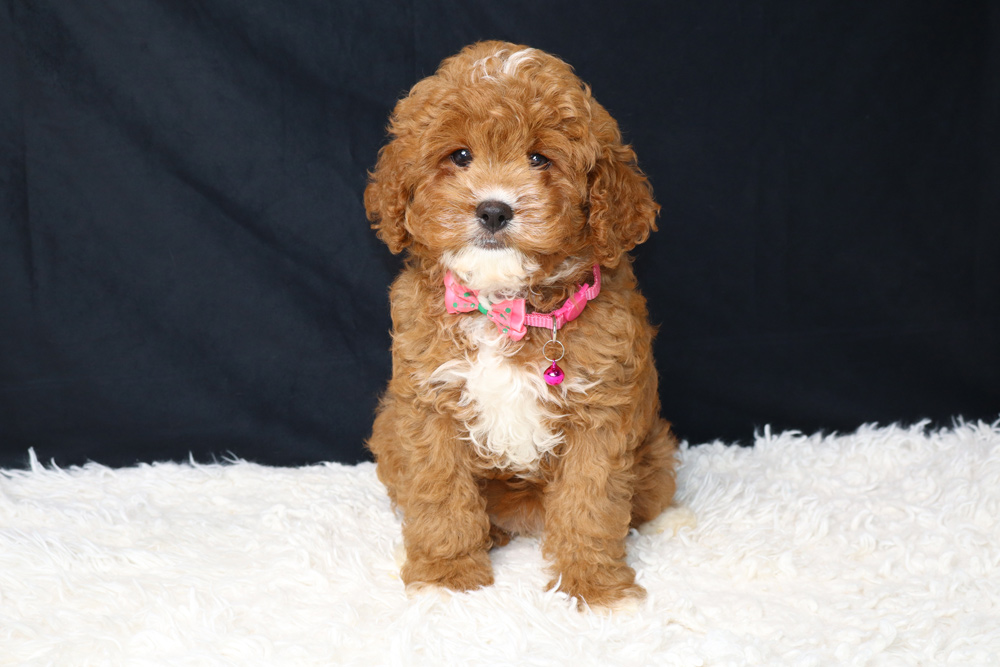
Cavapoos are well-suited to Wisconsin's indoor-heavy winter months, adapting easily to life inside a warm home when temperatures drop and stay down through January and February. Their low-shedding coats handle the humidity that settles over Milwaukee and Madison during July and August without significant grooming demands. Social and easygoing, this breed fits naturally into Wisconsin households of most sizes and routines.
Mini Goldendoodles
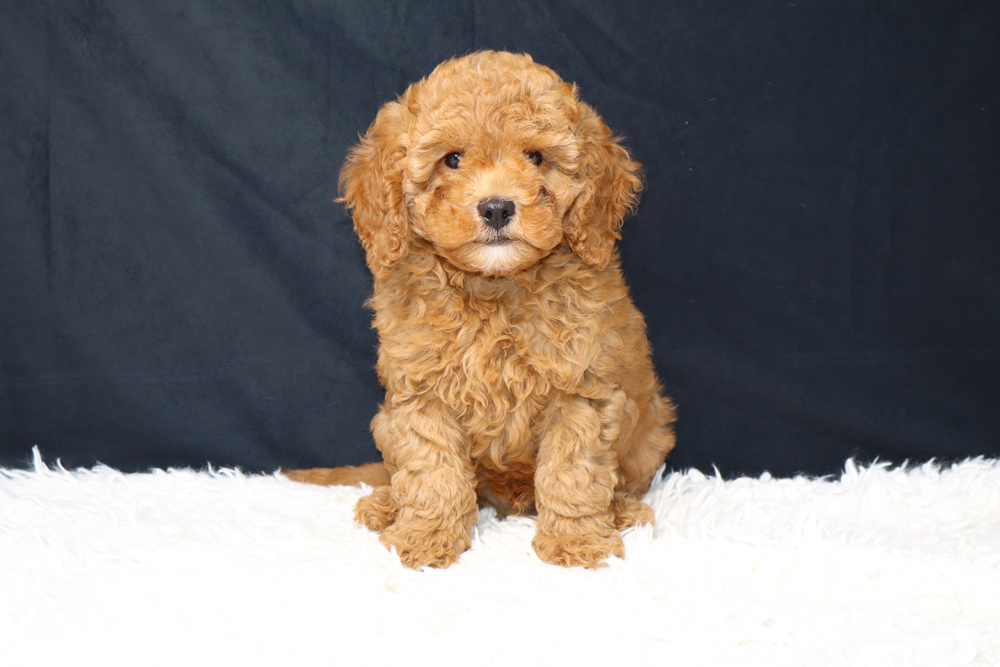
Mini Goldendoodles handle Wisconsin's four distinct seasons without much adjustment, which is a practical advantage in a state where the weather swings from the mid-80s in July to well below zero in January. Their size works across the range of Wisconsin households, from urban homes near Lake Michigan to larger rural properties in the central and western counties. Low-shedding coats hold up in the summer humidity, and these dogs move through the full Wisconsin year without much complaint.
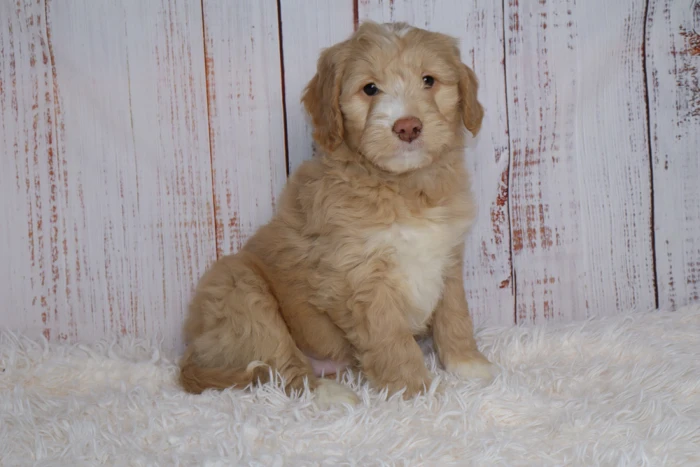
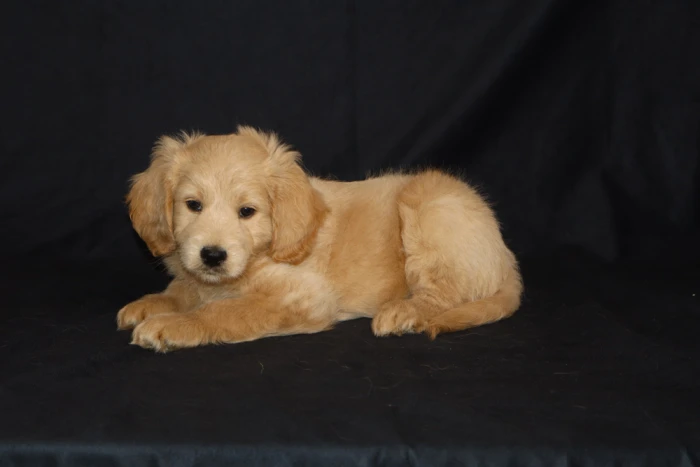
Standard Goldendoodles
Standard Goldendoodles are best suited to Wisconsin families with outdoor access and an active household. Wisconsin's trails, lakes, and open land across the northern and central counties give this breed the kind of environment it does its best work in, and their coats manage the state's seasonal extremes reasonably well. Peak summer heat and humidity call for shade and consistent water during outdoor time, but this breed handles the colder months without issue.
Micro Bernedoodles
Micro Bernedoodles top out around 20 pounds and carry strong cold-weather tolerance in a compact frame, making them a natural fit for Wisconsin households in both urban and rural settings. Their low-shedding coats hold up in the dry winter air that comes with sustained cold, and their steady temperament adapts well to long stretches indoors during Wisconsin's hardest months. This is a manageable, calm breed that suits a wide range of Wisconsin family types.
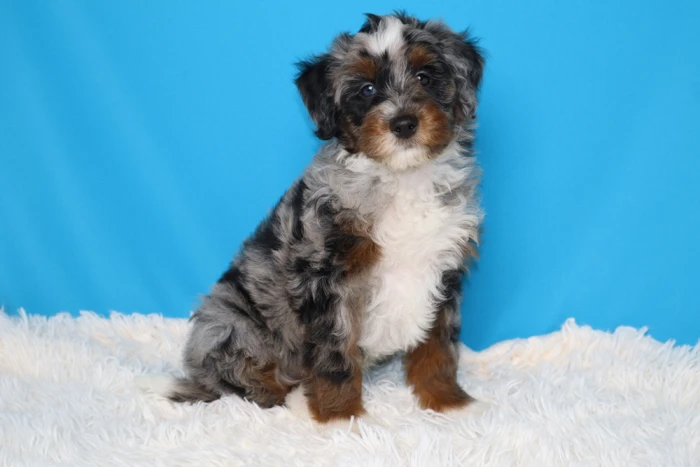
Mini Bernedoodles
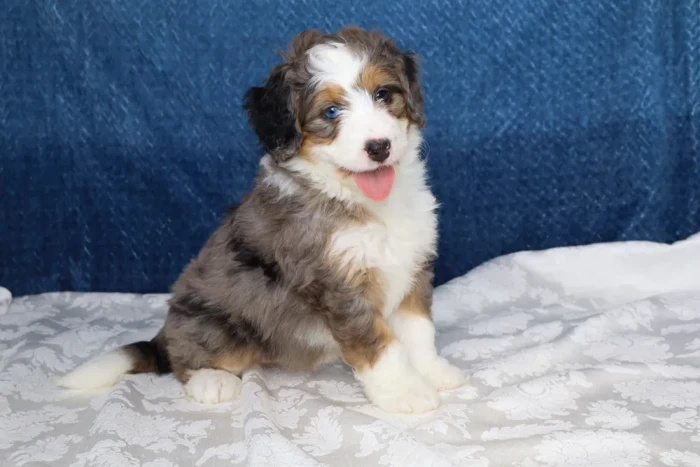
Mini Bernedoodles are one of the stronger fits for Wisconsin across all four seasons. Cold tolerance is built into this line, and Wisconsin winters from November through March don't stress this breed the way they do dogs raised for warmer climates. Summer humidity in Milwaukee and Madison calls for reasonable shade and water management during the hottest weeks, but this breed handles Wisconsin's full seasonal range better than most.
Standard Bernedoodles
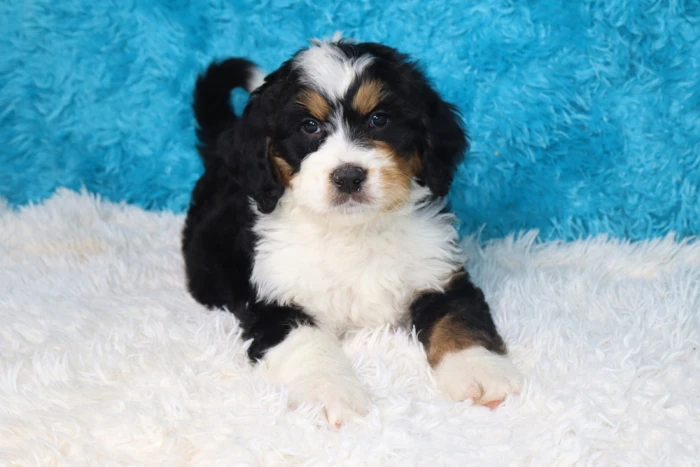
Standard Bernedoodles are about as well-matched to Wisconsin as any breed we raise. Their thick, low-shedding coats are built for sustained cold, and the long winters across the northern and central parts of the state give this breed exactly the environment it was developed for. July and August in the southern half of the state bring real humidity and highs in the low-to-mid 80s, so families in Milwaukee or Madison should plan for air conditioning and limited midday outdoor time during those weeks.
French Bulldogs
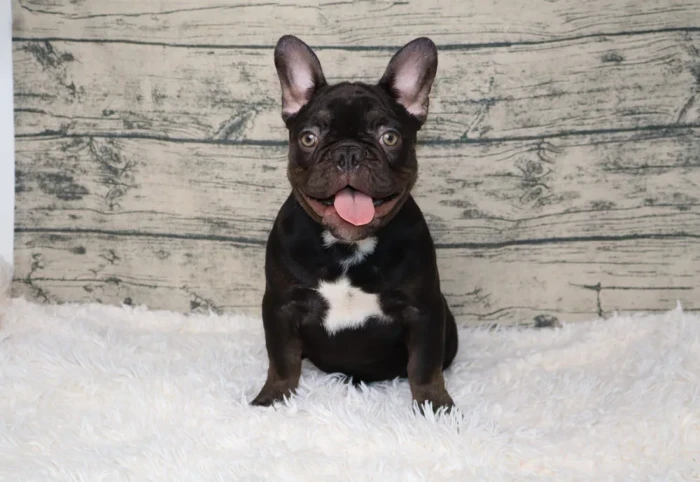
French Bulldogs are indoor dogs, and Wisconsin winters make that especially important to understand going in. January temperatures in Milwaukee average well below freezing, and this breed has real sensitivity to sustained cold, meaning outdoor time needs to stay short during the hardest months. Inside a warm home, they are calm, low-maintenance companions that fit Wisconsin households of any size, from apartments in Madison to houses in the Green Bay suburbs.
Bernese Mountain Dog
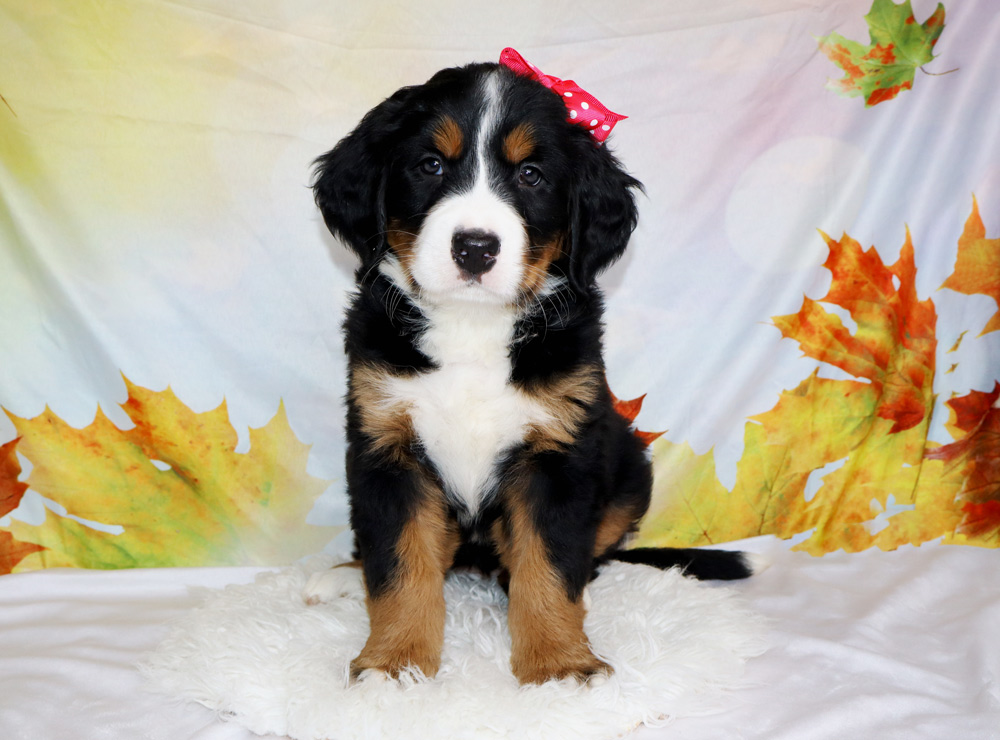
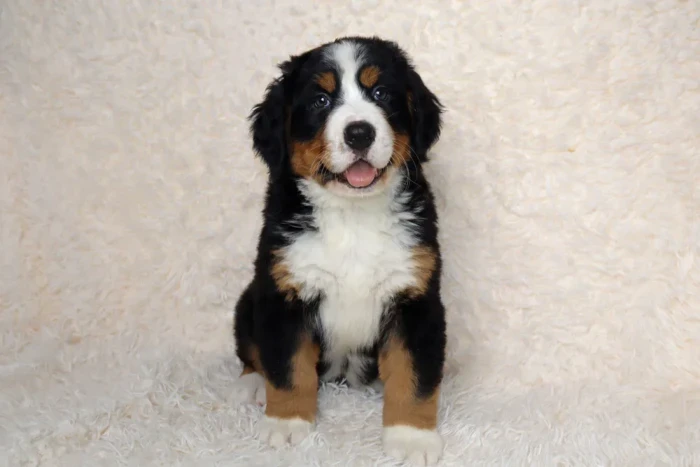
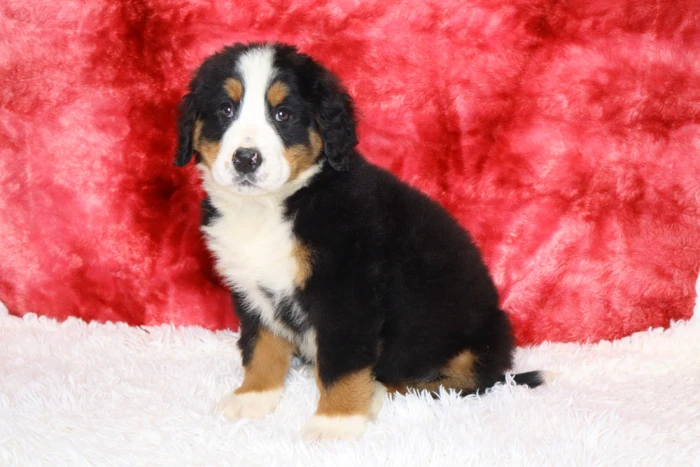
Bernese Mountain Dogs are among the strongest climate fits for Wisconsin out of everything we raise. Their thick double coats were built for exactly the kind of winters Wisconsin delivers from November through March, and the northern half of the state near Wausau, Rhinelander, and the Lake Superior shore gives this breed near-ideal conditions for much of the year. Summer management is the honest consideration; July and August in Milwaukee and Madison see highs in the low-to-mid 80s with real humidity, and these dogs need reliable air conditioning, shade, and limited midday activity during those weeks.
Why Blue Diamond Family Pups
Wisconsin families who are serious about finding the right dog aren't shopping for the most convenient option. They want a puppy built to adapt, one that will settle into a new home during a Wisconsin November or a January without falling apart in the first week. Every puppy at Blue Diamond goes through Early Neurological Stimulation from days 2 through 16, a deliberate process that builds confidence and adaptability before a puppy faces its first major transition. Our kids are hands-on with every litter from birth through go-home day, which means the socialization is continuous and real, not staged around a single milestone. Before any puppy leaves the farm, a professional trainer evaluates it individually, and Wisconsin families can read that assessment on our website before the dog ever arrives.
See What Our Puppy Parents Have To Say Near You!
Posted on Google Nikki Owens
 I came across Blue Diamond’s website during my puppy search and saw the gorgeous puppies they had available. I love how they list the litter once ready for adoption and it’s first come, first serve. A few days after arranging delivery, my gorgeous girl arrived healthy and so clean (not even one flea!). She is super smart and we couldn’t be happier. Blue Diamond has been very quick to respond to any questions I’ve had. I highly recommend!Posted on GoogleSharon MillerDean and Esther are the most wonderful breeders as well as wonderful people. I cannot say enough good things about them. I got Luna two days ago and she is amazing. She is smart, loving, cute and calm as can be for a puppy. Dean and Esther went out of their way to help me and I know God will bless them for being the people they are. Thank you both for making me so happy and giving me a reason to love again.Posted on GoogleDian DeakinsWe adopted Walter almost three years ago. He was delivered to us in California and came happy and healthy. This business was amazing to work with and we have been super happy with Walter.Posted on GoogleAmy MurphyThey are so great to work with, they answered all my questions and they breed such good pups! Love my mini goldendoodle, Molly Mae (formerly Emily)!Posted on GoogleCARA PATETEDean and Esther are wonderful and attentive to responding with any questions. They are very clean and their puppies are amazing! We adopted Lenna (Lilo now) and she’s been so wonderful, cooperative and very easy to train. We’ve had her for eight days and she’s pretty much potty trained. She loves her crate, since day one and is very intelligent! We cannot say enough great things about this family! Thank you Dean and Esther for your hard work and providing families with such wonderful best friends!Posted on GoogleKelly YanchI just want to thank Blue Diamond so much for this perfectly adorable puppy! I am so in love with him and so incredibly grateful to you for allowing me to have him as part of my family. The vet told me he was in perfect health and the techs said that his records were “the best they’ve ever seen from a breeder”. I feel truly blessed to have him in my family. Here’s a picture of him playing with one of his many new toys. Thank you so much again - could not recommend Blue Diamond more for your new family member!Posted on GoogleDave AdamsWe can't say enough good things about Blue Diamond Family Pups. We saw our puppy on their website and instantly fell in love, and fell in love even more about the delightful and informative conversation I had with them on the phone. They are quick to respond to questions via text and email, and the checklist and information they give you to prepare for the arrival of your new puppy was beyond helpful. Our puppy is thriving, and we know it is because of how well cared for and loved he was by BDFP. We are so grateful, and we highly recommend this breeder to anyone looking to increase their family size with a delightful four-legged member. And...the delivery service was OUTSTANDING. When he arrived, he was happy, calm, and it was clear he was well taken care of. THANK YOU!!!Posted on GoogleJessie TravorWe had such a wonderful experience with Blue Diamond Family Pups! Dean and Esther were so helpful and answered our many questions, as this was our first time adopting a puppy. The delivery driver, Wayne, was great and reliable. Our pup arrived to us healthy, clean, vaccinated with appropriate shots, microchipped, and with a goodie bag of food, a toy, veterinary records, and some puppy advice! He is a pure bundle of fluff and joy! We could not have asked for a better experience.Google rating score: 5.0 of 5, based on 69 reviews
Cities In Wisconsin We Deliver Puppies to
We deliver puppies right to your door in Wisconsin. Find your city or a nearby city below to see delivery information, puppy care details, and available puppies for you. See our nationwide delivery area for our puppies for sale.